Technical ceramics
- Oxide-, Non-oxide and Silicate ceramics -
Classification
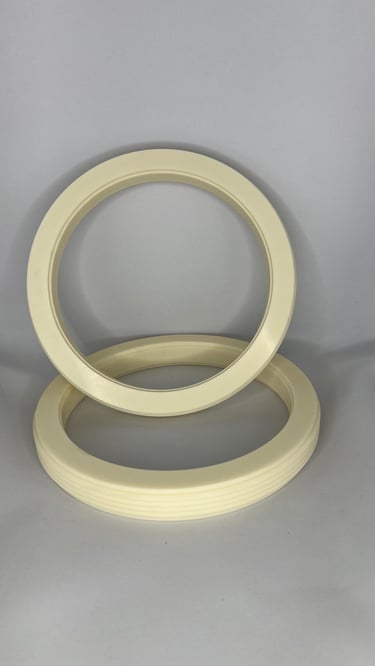
Aluminum oxides, zirconium oxides, magnesium oxides, and many more.
Special feature: typical properties such as fracture toughness, wear and high-temperature resistance, and corrosion resistance.
Composition: essentially > 90% metal oxide content in synthetic manufacturing process with high degree of purity; very high sintering temperatures produce uniform microstructures, which lead to improved material properties
Application in electrical engineering and electronics, as well as a structural material for non-electrical applications
Oxide ceramic
Non-oxide ceramic
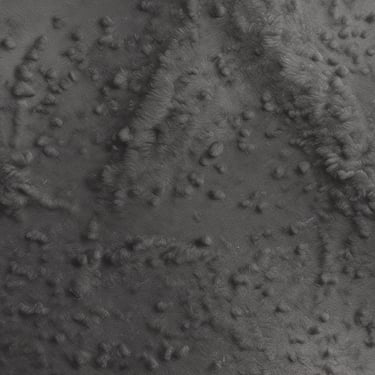
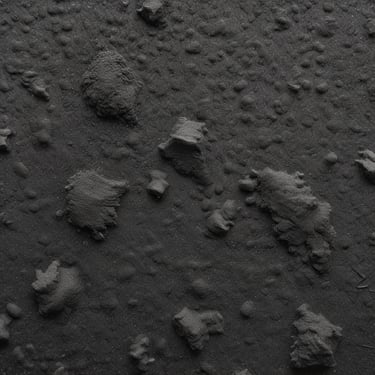
Silicon carbide, silicon nitride, hexagonal boron nitride, and many more.
Non-oxide ceramics have a high proportion of covalent bonds, which leads to improved material properties such as high operating temperatures, high strength and hardness, wear resistance, a high modulus of elasticity, and high corrosion resistance.
Complex production exclusively from synthetic raw materials containing ceramic materials based on compounds of boron, carbon, nitrogen, and silicon.
Mostly used in the form of mechanical seals, plain bearings, burner nozzles, and heavy-duty burner accessories at high application temperatures.
Silicate ceramic
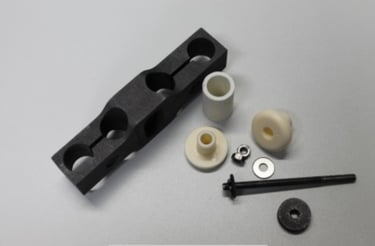
Cordierite, mullite, steatite, and many more.
Due to simplified production and availability of low-cost
Dominant share of fine ceramic products in the form of clay, kaolin, soapstone, etc.; often combined with zirconium or alumina to achieve special material properties such as high strength
Used in heating technology, measurement and control technology, high- and low-voltage technology, and in the refractory sector
Advantages of technical ceramics
Advantages:
Electrical and thermal insulation
Wear and high temperature resistance
High corrosion resistance
High mechanical strength, hardness, and modulus of elasticity
High structural and dimensional stability
Resistance to aging
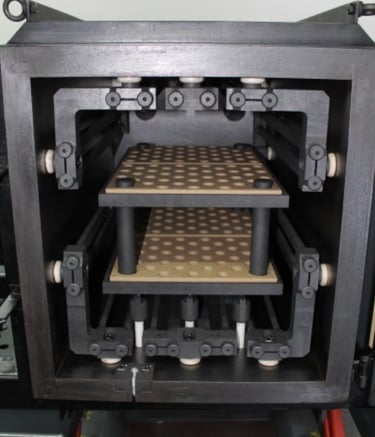
An initial overview of desired properties, which can vary greatly depending on the material
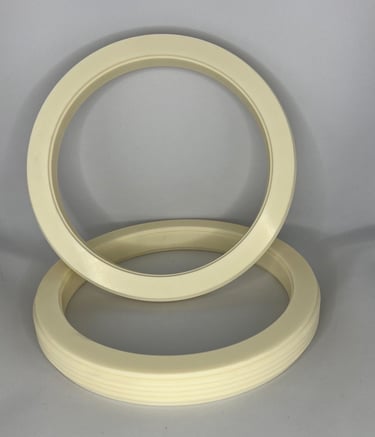
Learn more!
Another outlook on technical ceramics
typical areas of application
Heat treatment and furnace construction
Coating systems
Chemical industry
Glass industry
Automotive industry
Wire drawing
Soldering technology
other ceramic components
Sealing systems
Pipes
Insulation rods
Thermocouple protection tubes
Supports, beams, and plate systems
Flange pipes, jacket pipes, and flame tubes
Guide rollers
Sintered plates
Spacers
Burner nozzles
etc.
We´d like to hear from you!
CONTACT US AT:
Address
Carbon Ceramic Materials GmbH
Rilkestrasse 11
DE-53859 Niederkassel
Contact
Tel.: +49 (2208)/93480-70
Tel.: +49 (171)/6568268
Tel.: +49 (171)/3612910
E-mail: info@cc-materials.de
Other channels
Let us convince you of the quality of our services and products.
We look forward receiving your messages, inquiries, and projects.
© 2026 Carbon Ceramic Materials GmbH